How Fortnite Taught Me to Build Software People Actually Use
How optimizing a bad PC for Fortnite at 15 taught me to understand real problems and build software people actually use.
When I was 15, I was convinced I could go pro in Fortnite. I wasn’t delusional—I was actually pretty good. But I had one massive problem: my PC was garbage.
Every fight felt like I was playing in slow motion. I would see someone, line up my shot, and by the time my frames caught up, I was already dead. I knew better hardware would give me a real shot, but I was 15 and had no money. A new computer wasn’t happening.
So I did what any desperate teenager would do: I started messing with the one I had.
I dove into operating systems, registry edits, bash scripts, and anything else that could squeeze more performance out of my setup. I disabled background processes, adjusted GPU settings, and optimized memory allocation. It worked. My frame rate improved, the game felt smoother, and I started winning more.
Then something unexpected happened.
From one PC to sixty
Other players started asking me to do the same thing for their setups. I would join them on TeamViewer, spend an hour optimizing their system, and let them feel the difference immediately. Word spread. Eventually, I had done this for more than sixty people.
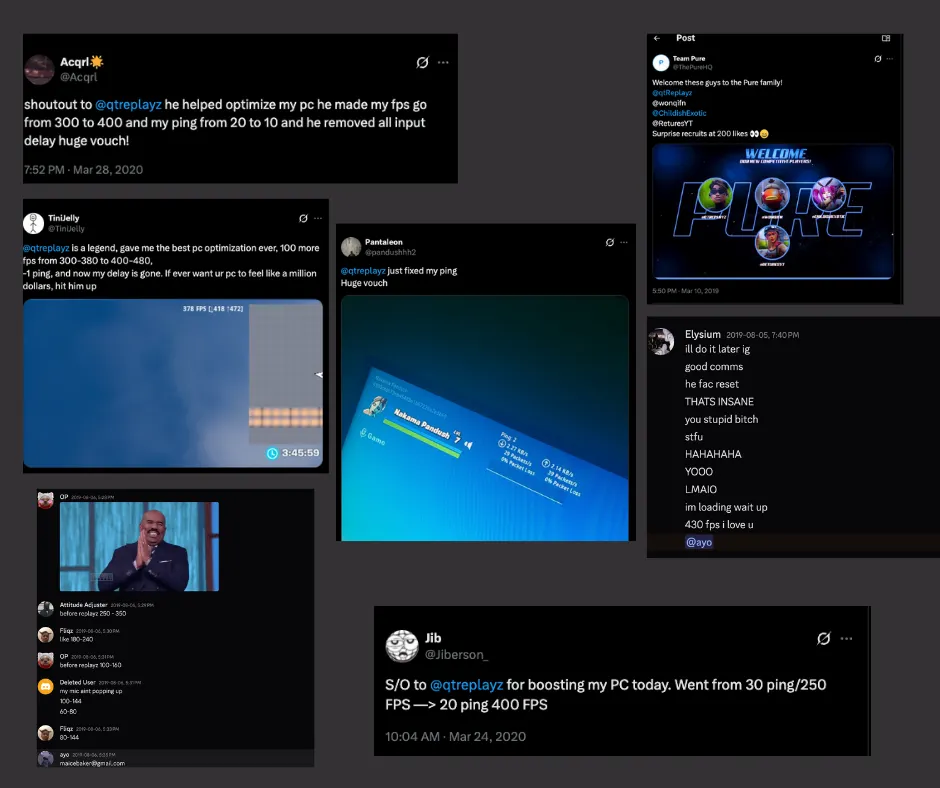
I got paid, but I wasn’t trying to build a business. I was just a kid who had figured something out and wanted to help other people dealing with the same problem.
That was when something clicked for me: software is a tool for turning an idea into something real—something another person can use and benefit from.
That realization changed everything. I started caring less about going pro in Fortnite. I wanted to build software.
The long path from there to here
I didn’t immediately know what to build. I tried a lot of things, and most of them didn’t work. I learned to code properly, studied at the University of Waterloo, interned at a bunch of interesting companies, and kept experimenting on the side.
Some projects found an audience, including HookedIn, AutoSwipe, and DeepNewz.
But the most important thing I carried forward wasn’t a registry edit or a TeamViewer trick. It was the lesson that useful products begin with a real problem understood deeply.
I wasn’t optimizing computers because I had read a trend report about gaming performance. I was doing it because I personally felt the pain of losing fights I should have won. I understood that frustration, and I knew other players felt it too.
Fast-forward to now
Today, I’m building Moda with my co-founder, Pranav. We help teams understand what users are actually doing in conversations with their AI products—not merely inspect logs of what happened.
The problem is different from optimizing gaming PCs, but the reason I care about it is the same: I encountered the problem myself, built a solution, and then had other people ask to use it.
One customer believed they had built a networking product. After integrating Moda, they discovered that 14% of their users were using it for career coaching. That insight revealed an entirely new revenue stream.
We now have paying customers processing millions of messages, and we’re only getting started.
What I learned from that fifteen-year-old
Looking back, the Fortnite story was never really about gaming or computers. It was about recognizing when you have found a problem worth solving—and being willing to dig in until you understand it well enough to help someone.
I’m not optimizing PCs over TeamViewer anymore, but I’m still doing the same thing: finding real problems, understanding them deeply, and building software that genuinely helps.
That’s all I’ve ever wanted to do.